Solved! Why Does My Bathroom Smell Like Urine Even After Cleaning
If your bathroom smells like urine even after cleaning, you’re not imagining it and you’re definitely not alone.
The frustrating part is that even when everything looks clean, the smell can linger. That’s because bathroom odors aren’t just about visible mess, they're caused by residue that builds up in places you don’t see, and in ways you don’t always think about.
Once you understand where that smell actually comes from, it becomes much easier to eliminate and keep from coming back.
Why Your Bathroom Smells Like Urine?

1. Urine Gets Trapped in Surfaces
Materials like grout, caulking, and certain flooring can absorb tiny amounts of urine over time. Once it seeps in, bacteria begin to break it down, creating that strong ammonia-like smell.
But what most people don’t realize is odor often starts before it even hits the surface. Staying clean throughout the day, especially in shared or public spaces, reduces how much residue ends up in your environment in the first place.
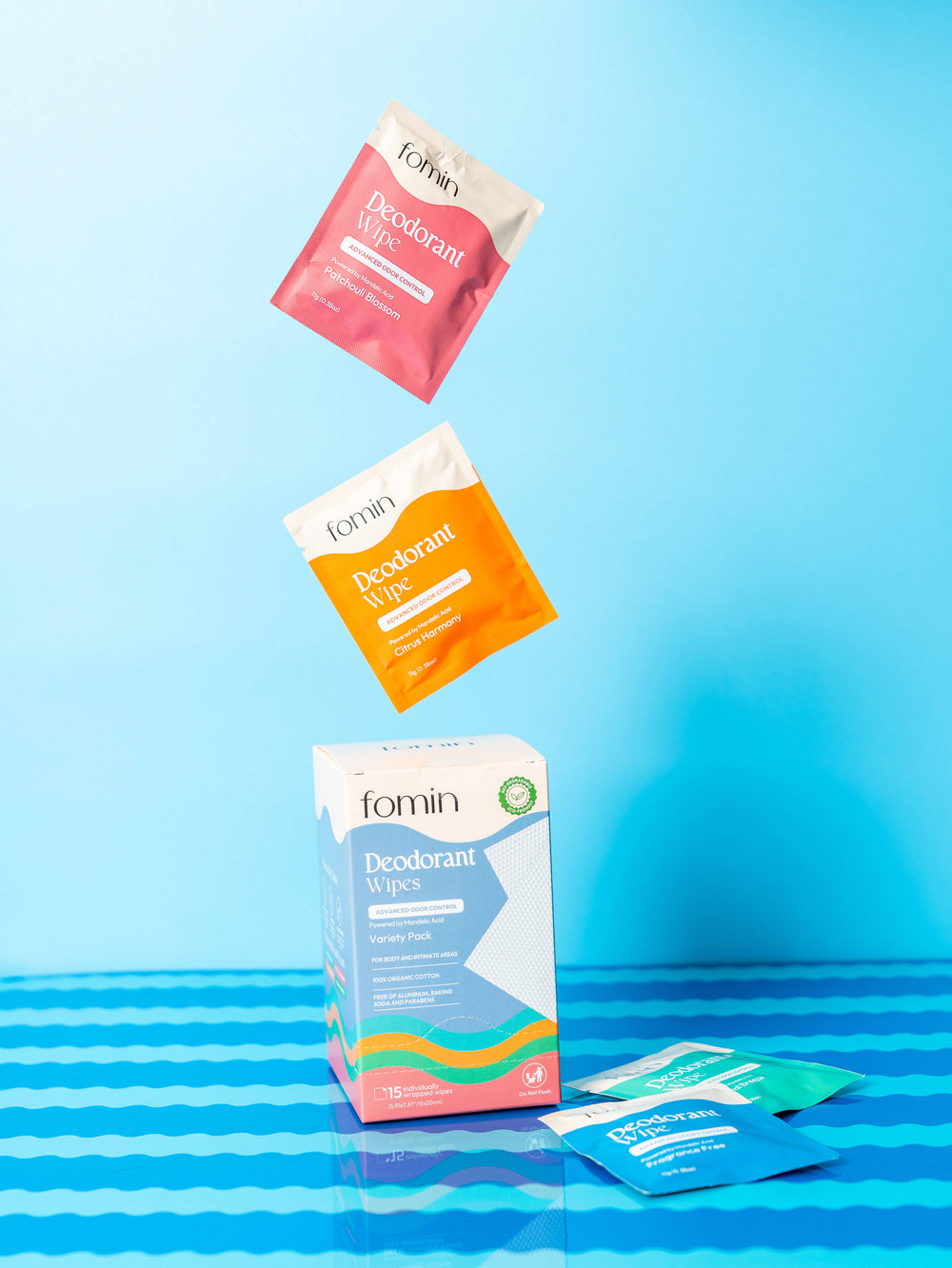
When proper handwashing isn’t always accessible, having simple, portable options like travel soap sheets or using wipes for a quick refresh can help reduce buildup at the source before it ever becomes a lingering smell.
2. Buildup Around the Toilet
The base of the toilet, under the rim, and around the seat hinges are some of the most common areas where residue collects. These spots are often missed during regular cleaning, allowing odor to build gradually.
Even with perfect cleaning, daily buildup still happens. Small, repeated exposure adds up over time.
That’s why quick refreshes throughout the day especially after workouts, long days, or time spent outside can make a noticeable difference. Staying consistently clean helps reduce how much gets transferred back into your space.
3. Hidden Leaks
In some cases, the smell isn’t coming from what you can see at all. A worn seal or small leak around the toilet can allow urine to seep underneath, creating a persistent odor that won’t go away with surface cleaning alone.
4. Missed Areas
Corners, baseboards, and the space behind the toilet are easy to overlook. Over time, even small amounts of residue in these areas can create a noticeable smell.
5. Soft Surfaces Hold Onto Odor
Bath mats, towels, and other fabrics trap moisture and bacteria, which allows odor to linger longer than expected.
Using fresh, disposable, or single-use alternatives instead of reusing damp materials can significantly reduce odor buildup over time. Clean facial towels or dry wipes, for example, help limit how much bacteria stays in the environment and gets redistributed.
6. Poor Ventilation
Without proper airflow, moisture stays trapped in your bathroom. This creates the ideal environment for odor-causing bacteria to grow and spread.
How to Get Rid of the Smell?
To fully eliminate the odor, you need to go beyond surface-level cleaning:
1) Clean thoroughly around and behind the toilet
2) Scrub grout, caulking, and hard-to-reach areas
3) Disinfect high-touch surfaces like flush handles and seat hinges
4) Wash bath mats, towels, and other fabrics regularly
5) Check for leaks if the smell doesn’t go away
6) Improve ventilation with a fan or open window
How to Stop Bathroom Odors Before They Start
If the smell keeps coming back no matter how often you clean, the issue may not be your cleaning routine it may be what happens in between.
Preventing odor is less about deep cleaning, and more about consistency in small, everyday habits.
Keep your hands clean every time
When soap isn’t available, bacteria can linger and transfer to surfaces later. Having access to soap anywhere makes it easier to stay consistent.
Stay fresh throughout the day
Sweat, bacteria, and residue build up faster than we think. Quick refreshes can help reduce what gets carried into your environment.
Reduce bacteria in fabrics
Avoid reusing damp towels or cloths for too long. Switching to clean, dry alternatives more often can make a noticeable difference.
Make it easy to stay consistent
The simpler your routine is, the more likely you are to stick to it—and that’s what actually keeps odors from building up over time.
How is Fomin reducing plastic waste?
At Fomin, we are committed to reducing plastic waste and safeguarding our planet. We proudly offer a range of products that are not only eco-friendly but also 100% Leaping Bunny Cruelty-Free. With every purchase, you play a pivotal role in this eco-mission.

If your bathroom smells like urine even after cleaning, the issue usually isn’t how often you clean it’s where residue is building up and how it’s being reintroduced daily.
Once you focus on both removing the source and reducing how it spreads, the smell becomes much easier to eliminate and keep from coming back.
If your bathroom smells no matter how much you clean, it might not be your cleaning routine it might be your daily hygiene system.
Simple, portable essentials like soap sheets, wipes, and deodorant can make it easier to stay consistent, wherever you are.
A Simple System to Stay Ahead of It
Instead of relying only on deep cleaning, it helps to think in terms of a simple prevention system:
Soap sheets → maintain consistent hand hygiene anywhere (reduces initial transfer)
Wipes → quick freshness after workouts, travel, or long days (reduces buildup between cleans)
Facial towels / dry wipes → reduce bacterial retention in fabrics (reduces re-contamination loops)
Together, these help reduce how much residue enters and spreads in the first place—so less buildup ever forms in the bathroom.
Frequently Asked Questions:
Why does my bathroom still smell like urine even after I clean it?
The smell persists because urine residue seeps deep into porous materials like grout, caulking, and unsealed flooring areas that regular surface wiping simply can't reach. Once bacteria settle into those surfaces, they break down the trapped residue and continuously release odor. Standard cleaning sprays often don't penetrate deeply enough to eliminate the source.
Which areas around the toilet are most commonly missed when cleaning?
The most overlooked spots are under the toilet rim, around the seat hinges, the base of the toilet where it meets the floor, corners, and the space directly behind the toilet. These areas collect urine residue gradually, making the smell build slowly rather than all at once. Thorough cleaning of these zones requires a spray that can reach into tight gaps and crevices. Fomin's eco-friendly Refills collection which includes both Bathroom Refill Packs and Multi-Surface Refill tablets gives you a ready-to-spray cleaning solution that works across all these hard-to-reach areas without harsh chemicals.
Can a hidden leak cause persistent urine smell even after cleaning?
Yes, and it's one of the most commonly overlooked causes. A worn seal or slow leak at the base of the toilet allows urine to seep underneath onto the subfloor, where no amount of surface cleaning will ever reach it. If you've deep-cleaned every visible surface and the smell keeps returning, inspecting and replacing the toilet wax seal is the logical next step. This is a situation where cleaning products alone won't fix the problem the leak must be addressed first. For more background on what bathroom cleaners can and can't tackle, Fomin's guide on bathroom cleaning solutions is a helpful read.
Does soap and product buildup in the bathroom make odors worse?
It can, yes. Soap scum and product residue that builds up on tiles, grout, and around fixtures creates a layer that traps bacteria and moisture, which contributes to overall bathroom odor over time. Addressing soap residue as part of your regular cleaning routine helps reduce this bacterial environment. Fomin's blog on how to avoid soap scum covers this in detail and explains how the right cleaning formula makes a real difference. Their Bathroom Cleaning Tablets are formulated with citric acid and sodium carbonate ingredients specifically effective against soap scum and surface residue.
What is the most effective way to clean bathroom grout and surfaces to eliminate urine odor?
Grout requires more than a quick wipe urine seeps into the tiny pores of grout lines and needs targeted scrubbing combined with a disinfecting cleaner. A paste of baking soda and water applied with a grout brush can break down ingrained stains, but pairing it with a proper surface spray makes the job far more effective. Fomin's Multi-Surface Refill tablets dissolve into a ready-to-use cleaning spray that works on tiles, grout, and hard surfaces without the waste of single-use plastic bottles. For a deeper understanding of how these refill cleaners work, this guide on Fomin multi-surface cleaner refills walks through their ingredients and best use.
How do I stop bathroom odors from coming back after cleaning?
Keeping odors from returning is about consistent maintenance rather than occasional deep cleans. Scrubbing the toilet, grout, and tile regularly especially the missed zones like the base and hinges prevents residue from building up to noticeable levels. Improving ventilation and keeping surfaces dry between uses also significantly disrupts the damp environment bacteria need to grow. Having an easy-to-use, refillable cleaning spray readily available makes it far more likely you'll clean frequently.

about the author
Safoora
Author, Fomin
Safoora is a skin therapist with a focus on skin health, education, and gentle, effective care. She believes in simplifying skincare routines and prioritizing long-term skin wellness through mindful product choices and consistent habits.