Hydration Isn’t One-Size-Fits-All: Choosing Ingredients for Real Skin Needs
Skin hydration is often treated as a simple step: apply a moisturizer and move on. But real hydration goes much deeper. Ingredients for skin hydration should never be chosen blindly, because every skin type absorbs, retains, and reacts to moisture differently.
Some skin feels tight within hours, others look shiny yet dehydrated, and some react instantly to new formulas. This is why hydration is not a one-size-fits-all solution. When you understand how hydration works and which ingredients suit your unique skin needs, you unlock healthier, more balanced skin that actually feels comfortable all day.
This guide breaks down hydration in a simple, practical way, no complicated terms, no confusion, just clear insights you can apply immediately.
Why Skin Hydration Works Differently for Everyone
Hydration is about how well your skin attracts, holds, and distributes water. Factors like genetics, climate, age, lifestyle, and skincare habits all influence this process.
For example:
- Dry skin struggles to retain moisture
- Oily skin may lack water despite excess oil
- Sensitive skin needs hydration without irritation
Using the wrong formula can worsen dehydration, clog pores, or trigger reactions. This is why reading labels and understanding ingredients matter more than trends.
Moisture-Supporting Components Your Skin Understands
Hydrating compounds come in three main categories:
- Water-attracting agents that draw moisture into skin
- Barrier-supporting elements that prevent water loss
- Soothing additions that keep skin calm and balanced
Together, these help skin stay plump, flexible, and resilient. The key is choosing combinations that align with your skin type instead of copying someone else’s routine.
Matching Hydration Solutions to Your Skin Type
Nourishing Moisture Elements for Dry Skin
Dry skin often lacks natural oils and loses water quickly. It benefits from ingredients that replenish and protect the skin barrier.
Look for:
- Plant-based oils rich in fatty acids
- Gentle humectants that pull moisture inward
- Barrier-strengthening elements that seal hydration
These combinations help skin feel soft and comfortable instead of tight or flaky.
Lightweight Water-Locking Components for Oily Skin
Oily skin still needs hydration; skipping it can actually increase oil production. The goal is water balance without heaviness.
Ideal hydration choices include:
- Gel-like hydrators
- Fast-absorbing moisture binders
- Oil-free barrier supporters
This keeps skin hydrated without adding shine or congestion.
Calming Moisture Boosters for Sensitive Skin
Sensitive skin needs hydration that feels invisible and soothing.
Best options include:
- Minimal formulas with fewer ingredients
- Naturally calming extracts
- Skin-identical moisture supporters
These reduce the risk of redness, itching, or discomfort while maintaining hydration levels.
How These Components Work Together
Hydration works best when multiple moisture-supporting ingredients are layered correctly. One attracts water, another locks it in, and another protects the surface barrier.
This layered approach allows skin to:
- Retain hydration longer
- Recover faster from environmental stress
- Feel balanced instead of greasy or dry
Building a Skincare Routine That Supports Hydration
A good hydration routine doesn’t need many steps, it needs the right ones.
Start with:
- A gentle cleanser that doesn’t strip moisture
- A hydrating serum or essence
- A moisturizer suited to your skin type
Consistency matters more than quantity. Adjust textures seasonally or when skin behavior changes.
Personalized Skincare Hydration Tips You Can Actually Use
Hydration should adapt as your life changes.
Practical adjustments include:
-
Lighter formulas in humid weather
-
Richer textures during colder months
-
Simpler routines when skin feels overwhelmed
Listening to your skin is more effective than following fixed rules.
Moisturizers for Different Skin Types: Why Formulation Matters
Not all moisturizers are created equal. Some focus on oil, others on water, and some balance both.
Choosing correctly helps:
- Prevent dehydration breakouts
- Reduce sensitivity flare-ups
- Improve long-term skin comfort
Always match texture and ingredients to your skin’s current condition, not just its category.
Natural Hydrating Ingredients for Skin: Gentle Yet Effective
Natural sources can hydrate effectively when formulated correctly.
Examples include:
- Plant-derived humectants
- Botanical oils that mimic skin lipids
- Extracts known for calming and water retention
When balanced properly, natural hydration solutions support skin without overwhelming it.
How Fomin Products Support Thoughtful Skin Hydration
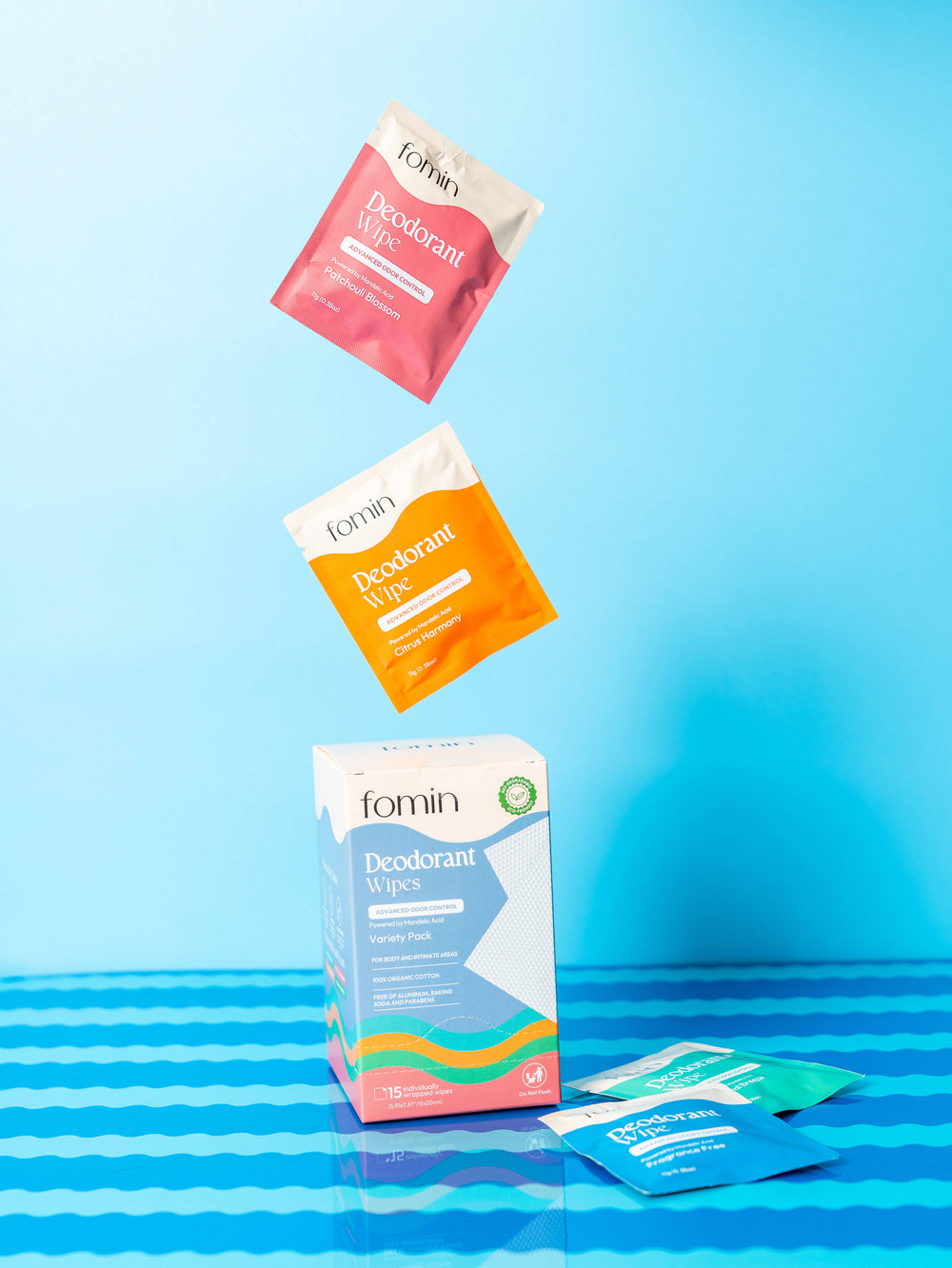
Fomin understands that hydration is personal. Their formulations are created with carefully selected components that support different hydration needs without unnecessary fillers.
What sets Fomin apart:
- Balanced hydration-focused formulas
- Ingredients chosen for compatibility with skin
- Gentle combinations that support long-term skin health
Rather than overwhelming the skin, Fomin products work with it, helping maintain hydration while respecting the skin barrier.
Why Ingredient Awareness Leads to Better Skin
Understanding what goes into your products allows you to:
- Avoid unnecessary irritation
- Improve hydration effectiveness
- Build trust in your routine
Hydration success isn’t about more products; it’s about smarter choices.
Reading Labels Without Feeling Overwhelmed
You don’t need to memorize scientific names. Focus on:
- The purpose of each ingredient
- How your skin reacts after use
- Whether hydration lasts throughout the day
This approach builds confidence and clarity in your skincare decisions.
Your Skin Deserves Personalized Hydration, Start Today
Hydration works best when it’s tailored, thoughtful, and consistent. Explore products that respect your skin’s individuality, choose wisely, and let your routine evolve with you. Discover hydration that truly works; your skin will thank you.
Building a Plastic-Free Future: Fomin's Commitment to Driving Sustainability
In an era where plastic pollution has become an alarming global issue, it is crucial to seek innovative solutions to reduce its devastating impact on our oceans and ecosystems.
Annually, an astounding 8 million metric tons of plastic waste goes into our oceans, endangering marine life and the sensitive equilibrium of biodiversity on Earth. Fomin, a pioneer in sustainable initiatives, has driven the movement toward a plastic-free planet.

By purchasing Fomin's eco-friendly cleaning products like dishwasher detergent tablet etc., you actively participate in the battle against plastic pollution. Join our loyalty program to participate in building a sustainable future - one where plastic is not a threat but a relic of the past.
FAQs
How to choose skincare ingredients for hydration
Focus on your skin type, climate, and comfort. Choose ingredients that attract moisture, strengthen the barrier, and feel pleasant on your skin daily.
How do I choose the right ingredients for my skin’s hydration needs?
Observe how your skin feels after cleansing. Tightness, oiliness, or sensitivity guide whether you need richer, lighter, or calming hydration ingredients.
Which ingredients are best for dry, oily, or sensitive skin?
Dry skin prefers nourishing oils, oily skin benefits from lightweight hydrators, and sensitive skin needs soothing, minimal ingredients that won’t irritate.
Can natural extracts and oils provide enough hydration?
Yes, when formulated correctly. Natural extracts and oils can hydrate effectively while supporting skin comfort and barrier health without heaviness.
How often should I adjust my skincare routine for hydration?
Adjust your routine seasonally or when your skin changes due to weather, stress, or lifestyle shifts to maintain optimal hydration balance.

about the author
Safoora
Author, Fomin
Safoora is a skin therapist with a focus on skin health, education, and gentle, effective care. She believes in simplifying skincare routines and prioritizing long-term skin wellness through mindful product choices and consistent habits.