Hormonal Body Odor: Understanding Changes During Menopause, Periods & Pregnancy
Share
Hormones influence many changes in the body, mood, energy, skin, and even body scent. One topic many people feel shy about discussing is hormonal body odor causes. During certain life stages, such as menstruation, pregnancy, or menopause, shifts in hormones can change the way sweat smells.
These changes are normal, but they can sometimes feel uncomfortable or surprising. The good news is that understanding why this happens makes it easier to manage. With the right hygiene habits and products designed for whole-body care, like Fomin whole body deodorants and deodorant wipes, you can stay confident and fresh throughout hormonal changes.
Let’s explore why hormonal odor happens, when it appears, and how to manage it effectively.
Why Hormonal Changes Can Affect Body Odor
The body naturally produces sweat from two main types of glands: eccrine and apocrine glands. Eccrine glands produce mostly odorless sweat, but apocrine glands release thicker sweat that bacteria break down, creating odor.
Hormones can influence how these glands behave.
How Hormones Influence Natural Body Scent
Hormonal fluctuations affect sweat production, oil levels, and bacteria on the skin. When hormones shift, the balance between these factors changes.
This is why hormonal sweat smells different compared to everyday perspiration. Hormones such as estrogen, progesterone, and testosterone can increase sweat production or change the skin’s chemistry.
When these changes occur, the odor may become stronger, sweeter, or slightly sour. While this may seem unusual, it’s usually a normal biological response.
Common Hormone-Related Body Odor Triggers
Several life stages bring hormonal changes that can influence body odor. Understanding these moments helps explain why odor changes occur.
1. Menstruation: Understanding Period Odor Changes
Many people notice subtle scent changes during their cycle and wonder about period body odor why it happens.
Hormones fluctuate throughout the menstrual cycle. Just before and during menstruation, estrogen drops while progesterone shifts. These changes can:
- Increase sweat production
- Alter vaginal pH levels
- Change bacterial balance on the skin
As a result, some people notice stronger body odor or a different scent around the underarms or intimate areas.
This change is usually temporary and fades once hormone levels stabilize after the period.
2. Menopause: When Hormones Shift Dramatically
One of the most common concerns during menopause is menopause body odor changes.
As estrogen levels decline, the body responds in several ways:
- Increased hot flashes and sweating
- Changes in skin oils
- Higher activity of odor-causing bacteria
Hot flashes can trigger sudden sweating episodes, which may lead to noticeable odor if sweat remains on the skin for long periods.
Because menopause can last several years, many people seek better hygiene solutions that support skin comfort and freshness.
3. Pregnancy: A Powerful Hormonal Transition
Pregnancy is another time when hormone levels surge dramatically. Many expectant mothers notice changes in scent and ask if pregnancy body odor normal.
The answer is yes.
During pregnancy, hormones like estrogen and progesterone increase significantly. These hormones can:
- Intensify sweat production
- Heighten sense of smell
- Alter skin bacteria balance
Interestingly, scent changes may even help newborns recognize their mother’s natural smell.
While the odor may be stronger, it’s typically harmless and temporary.
Signs Your Body Odor Is Hormone-Related
Not every odor change is caused by hormones, but certain signs suggest hormonal involvement.
You may notice:
- Odor changes that follow menstrual cycles
- Stronger scent during hot flashes
- Increased sweating during pregnancy
- Temporary odor changes linked to hormonal medications
These patterns usually appear gradually and fluctuate with hormone levels.
If odor becomes extremely strong or persistent, it may be worth discussing with a healthcare professional.
Everyday Habits That Influence Hormonal Odor
Hormones are not the only factor affecting body scent. Lifestyle choices can either amplify or reduce odor.
Important influences include:
Diet
Foods like garlic, onions, and spicy meals can intensify body odor.
Stress
Stress activates apocrine glands, producing sweat that bacteria easily break down.
Clothing
Synthetic fabrics can trap sweat and bacteria, increasing odor.
Hygiene routine
Regular cleansing removes bacteria before they produce odor.
When combined with hormonal changes, these factors may make odor more noticeable.
Practical Ways to Manage Hormone-Related Body Odor
Understanding how to manage hormonal odor can make a big difference in comfort and confidence.
1. Maintain Gentle Daily Cleansing
Regular showers help remove sweat and bacteria. Choose mild cleansers that protect the skin’s natural barrier.
Harsh soaps may disrupt skin balance and worsen odor over time.
2. Wear Breathable Clothing
Cotton, bamboo, and moisture-wicking fabrics allow sweat to evaporate more easily.
This reduces bacterial buildup and helps control odor during hormonal fluctuations.
3. Stay Hydrated
Drinking enough water supports temperature regulation and may dilute sweat compounds that contribute to odor.
Hydration also supports overall skin health.
4. Use Whole-Body Deodorants
Traditional deodorants only target underarms, but hormonal odor can appear in multiple areas such as inner thighs, under breasts, and back.
Fomin whole body deodorants are designed for broader application and contain carefully selected ingredients that support skin comfort while helping neutralize odor.
These formulations focus on skin-friendly ingredients that help maintain balance rather than simply masking scent.
5. Keep Fresh On-the-Go with Deodorant Wipes
During hormonal shifts, sweating may occur unexpectedly.
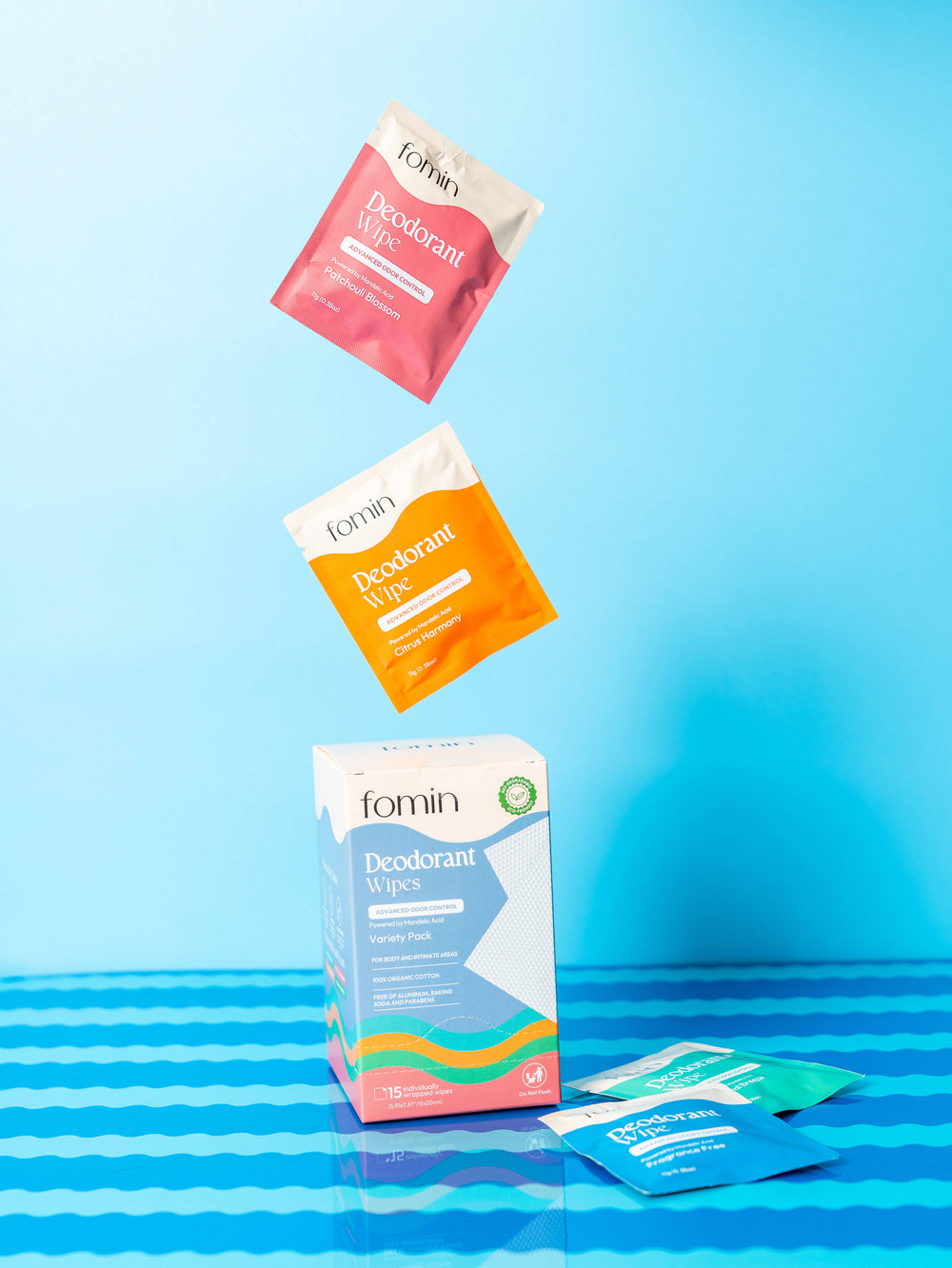
Fomin deodorant wipes provide a convenient way to freshen up throughout the day. They help remove sweat and bacteria while supporting the skin with gentle ingredients.
They are particularly useful during:
- Hot flashes
- Pregnancy fatigue
- Long workdays
- Travel or workouts
Portable freshness can help maintain confidence even when hormones fluctuate.
Why Skin-Friendly Ingredients Matter for Hormonal Odor
Hormonal changes can make skin more sensitive.
Products with harsh chemicals or heavy fragrances may irritate delicate areas.
Fomin products prioritize carefully selected ingredients that work with the skin rather than against it. Their whole-body deodorants and wipes help neutralize odor while supporting healthy skin balance.
Gentle formulas are especially helpful during menopause and pregnancy when the skin may react more easily.
When to Seek Medical Advice
Most hormonal odor changes are normal, but sometimes medical guidance is helpful.
Consult a healthcare professional if you notice:
- Extremely strong or unusual odor
- Sudden persistent odor unrelated to sweating
- Skin irritation or infection
- Other symptoms like fever or pain
Conditions such as infections or metabolic disorders can occasionally affect body scent.
Early evaluation ensures peace of mind and proper treatment if needed.
The Emotional Side of Hormonal Odor
Body odor changes can affect self-confidence and emotional well-being.
Many people feel embarrassed discussing it, even though it’s a natural biological process.
Understanding that hormonal changes influence sweat and scent can help remove unnecessary shame. These shifts happen to many people during menstruation, pregnancy, and menopause.
Simple hygiene habits and supportive products can make managing odor easier and less stressful.
Take Back Your Freshness: Support Your Skin Through Hormonal Changes
Hormonal changes are a normal part of life, but feeling fresh and comfortable shouldn’t be a struggle.
With thoughtful hygiene routines and skin-friendly solutions like Fomin, stay confident during every stage, from monthly cycles to pregnancy and menopause.
Choosing products with carefully selected ingredients helps protect the skin while effectively managing odor. When you support your skin properly, you support your confidence too.
Explore smarter odor care and discover how whole-body freshness can make hormonal changes easier to handle.
FAQs
Why does body odor change during your period?
Hormone fluctuations during menstruation alter sweat production and skin bacteria balance. This can temporarily change body scent, making it slightly stronger or different until hormones stabilize.
Is increased body odor normal during menopause?
Yes. Declining estrogen levels cause hot flashes and increased sweating, which can lead to stronger body odor due to more active sweat glands and bacteria.
How can you reduce hormonal body odor naturally?
Daily showers, breathable clothing, hydration, a balanced diet, stress management, and gentle whole-body deodorants can help reduce odor caused by hormonal fluctuations.
Does pregnancy cause stronger body odor?
Yes, pregnancy hormones increase sweat production and skin bacteria changes, which can make body odor stronger. This is common and usually temporary after childbirth.
What hormones cause body odor changes?
Estrogen, progesterone, and testosterone influence sweat glands and skin oils. Changes in these hormones can alter sweat composition and create noticeable odor differences.
Are deodorants specifically for hormonal odor?
Yes. Whole-body deodorants, like those from Fomin, are designed with gentle ingredients to neutralize odor across multiple areas affected by hormonal sweat.

about the author
Safoora
Author, Fomin
Safoora is a skin therapist with a focus on skin health, education, and gentle, effective care. She believes in simplifying skincare routines and prioritizing long-term skin wellness through mindful product choices and consistent habits.